
How to Organize a Beekeeping Carnival: A Step-by-Step Guide
Get ready to buzz with excitement! In this step-by-step guide, learn how to create a beekeeping carnival that will delight both young and old. From setting up interactive hives to hosting honey tasting contests, this article will ensure your event is the bee's knees.

How Bees Use Touch to Communicate: A Tactile Guide
As intricate as their buzzing dances may seem, bees rely on touch as an essential means of communication within their colonies. Through gentle taps and vibrations, they convey messages about food sources, dangers, and even emotions, creating a tactile language that ensures the survival of their hive.
The Legal Side of Bee Removal: A Comprehensive Guide
Navigating the intricate legal landscape of bee removal can be as challenging and nuanced as the dance of a bee itself. This comprehensive guide aims to shed light on the legal obligations, permits, and potential liabilities involved, ensuring a harmonious coexistence between humans and these buzzing wonders of nature.

How to Handle Hive Overcrowding: Signs and Solutions
Finding an overcrowded hive can be overwhelming, but fret not, there are solutions! This article explores the signs to look for and offers creative ways to handle the situation, ensuring your buzzing community thrives harmoniously.
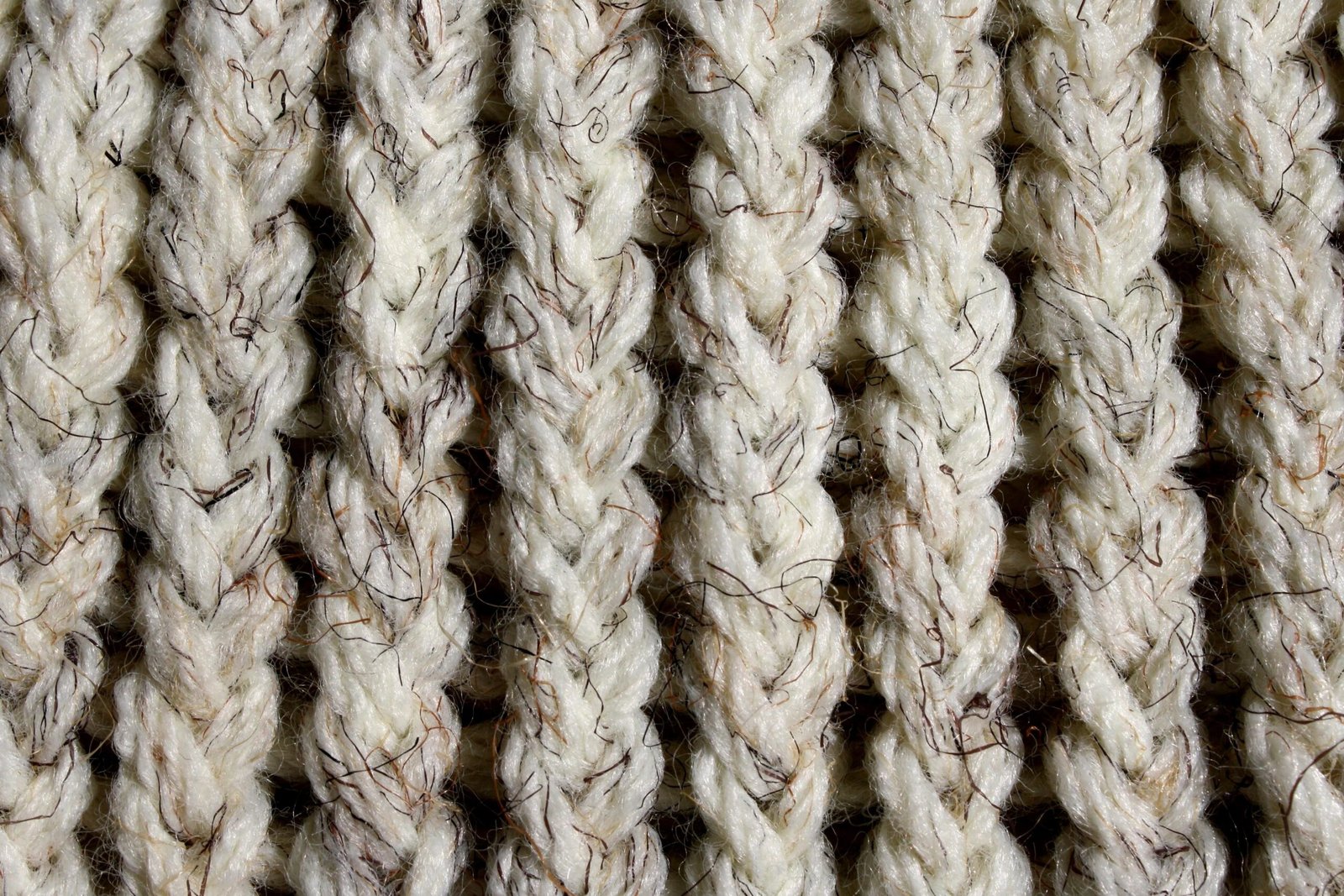
How to Use Natural Fibers for Your Beekeeping Gear
As a beekeeper, opting for natural fiber gear not only benefits the environment but also enhances your beekeeping experience. From breathable cotton suits to sturdy hemp gloves, discover how to incorporate natural fibers into your beekeeping routine for a more sustainable approach to this buzzing hobby.
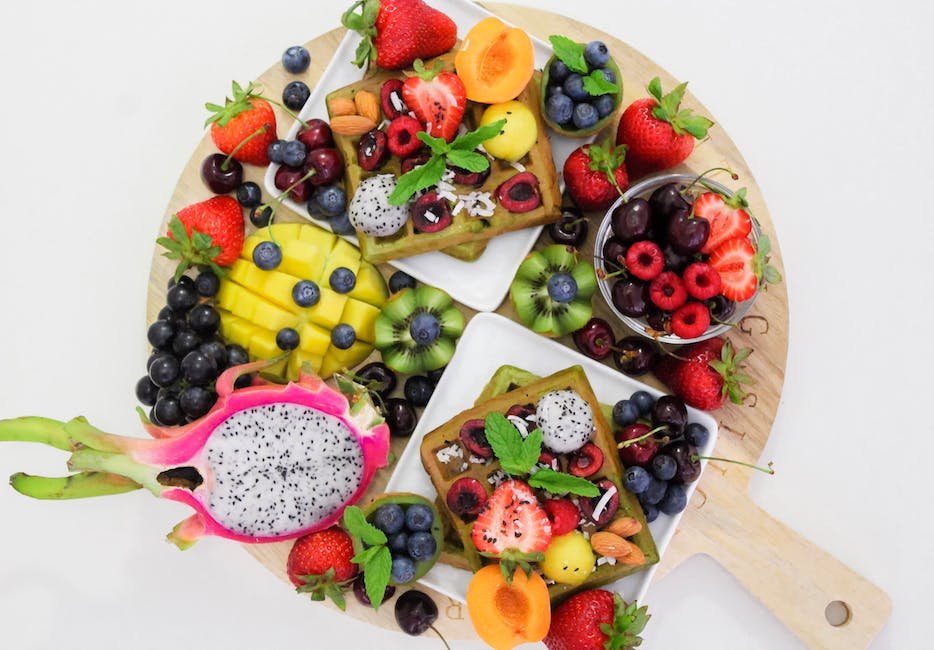
The Role of Fruits in a Bee-Friendly Garden
Enrich your bee-friendly garden with a splash of vibrant colors and sweet flavors by including a variety of fruits. From aromatic citrus trees to juicy berry bushes, these fruity delights provide nectar and pollen for the buzzing visitors, fostering a harmonious ecosystem.
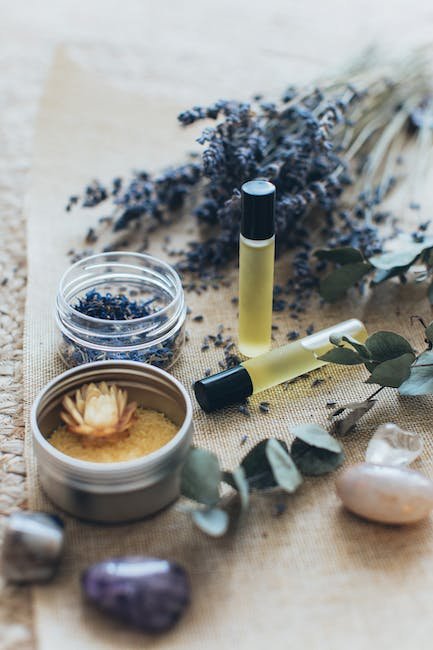
How to Use Essential Oils in Beekeeping
Using essential oils in beekeeping can benefit the overall health and productivity of your hive. From peppermint and lemon to lavender and eucalyptus, these aromatic wonders can help deter pests, boost immune systems, and even soothe stressed bees. Unleash the power of nature's essence to create a flourishing hive and nurture your buzzing friends.
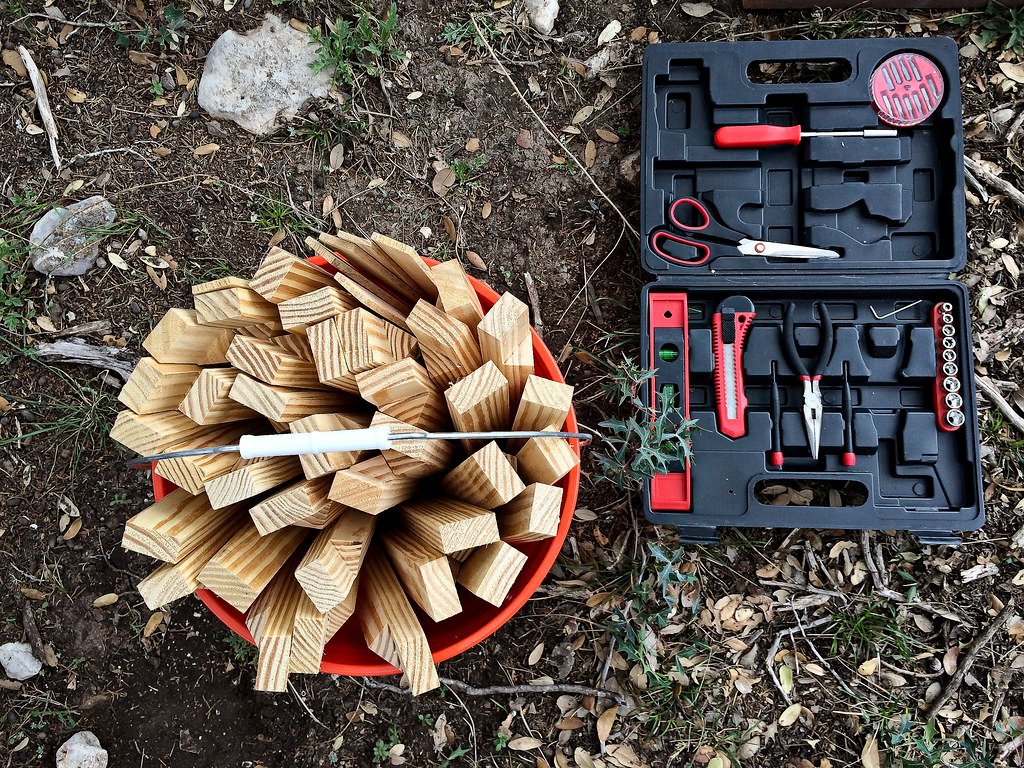
How to Use a Hive Tool: Tips and Tricks
Unlocking the secret world of beekeeping requires the right tools, and mastering the hive tool is a must. From prying open sticky frames to scraping propolis, this essential gadget will make you feel like a buzz-worthy beekeeper in no time.
The Importance of Bee Communication in Disease Prevention
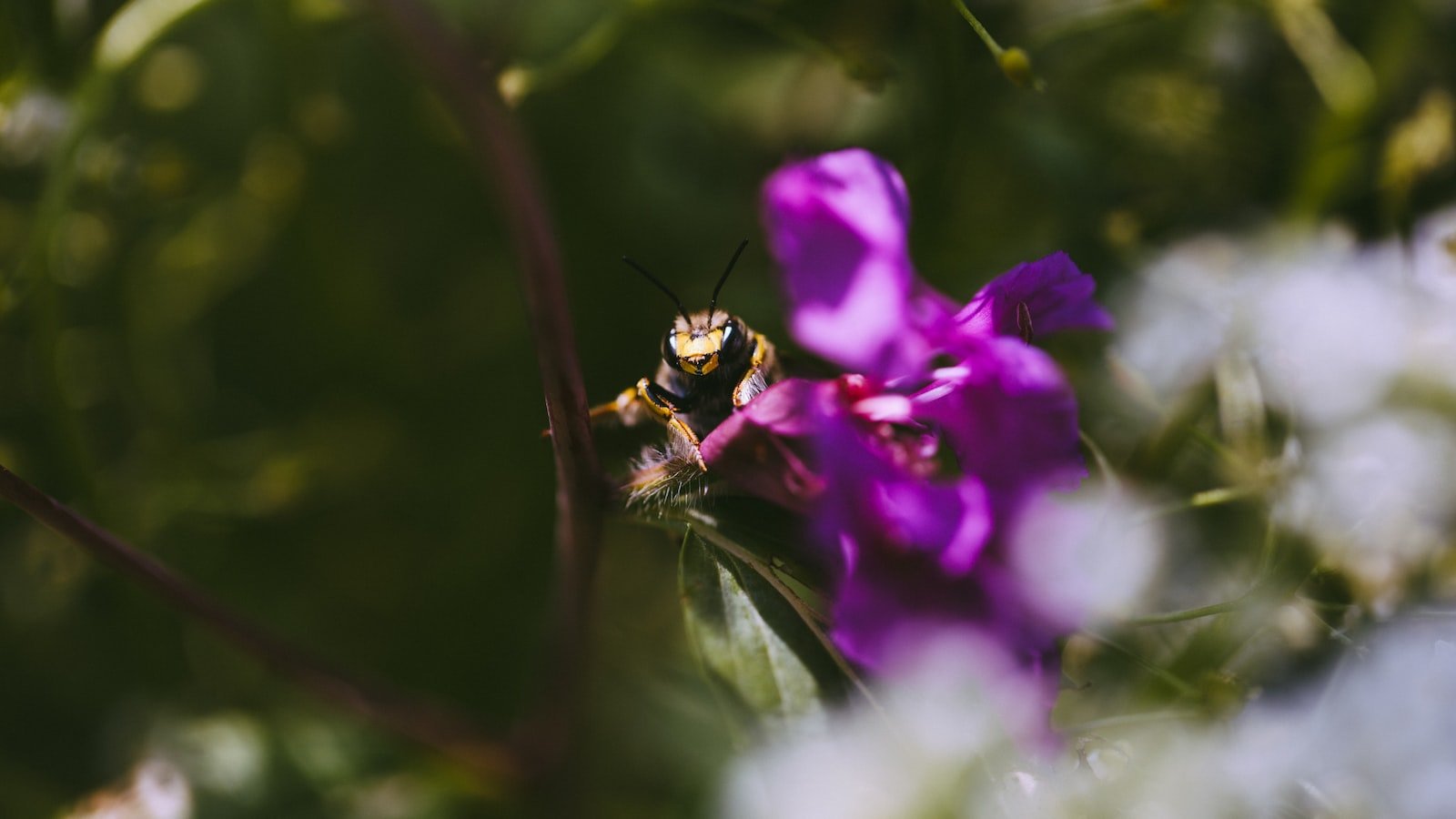
Bees are known for their complex communication system, which plays a crucial role in disease prevention. Through intricate dances and chemical signals, bees alert their hive members about potential threats, helping them coordinate for effective disease control. Understanding and appreciating the significance of bee communication is essential for the protection and conservation of these remarkable creatures.

How to Make Your Own Queen Excluder
As you delve into the world of beekeeping, crafting your own queen excluder becomes an exciting endeavor that marries ingenuity and functionality. With a dash of creativity and some basic materials, you can construct a custom queen excluder that promotes optimal hive productivity and keeps your majestic queen bee where she belongs.

The Importance of Hive Ventilation for Bee Health
Bees are delicate creatures that rely on a well-ventilated hive for their survival. Proper ventilation not only aids in regulating temperature and humidity, but also helps to remove excess moisture, pollutants, and harmful gases. Neglecting hive ventilation can lead to weakened immune systems, increased susceptibility to diseases, and ultimately, the decline in bee populations.
The Role of Beekeeping Podcasts in Community Building
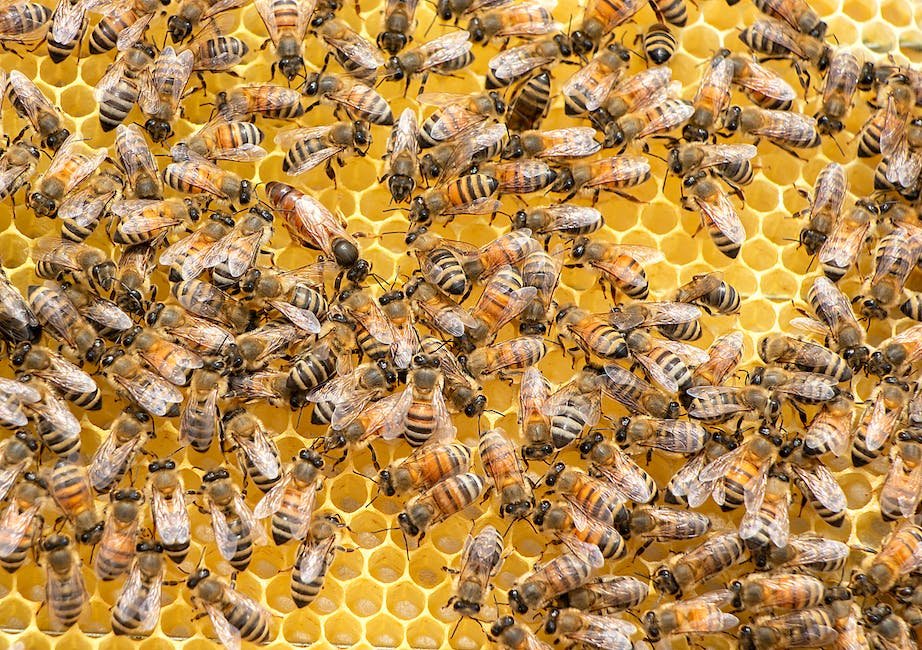
Beekeeping podcasts have become more than just a source of information; they have transformed into a virtual hive fostering a sense of community. Through engaging conversations, shared experiences, and expert advice, these podcasts unite beekeepers worldwide, empowering them to create a buzzing network of knowledge and camaraderie.