
The Legalities of Using Bee Products in Cosmetics
Using bee products in cosmetics may seem harmless and natural, but navigating the legalities surrounding their usage can be quite complex. From ensuring compliance with country-specific regulations to considering ethical concerns, cosmetic companies need to approach these ingredients with caution to avoid legal consequences and maintain brand reputation.
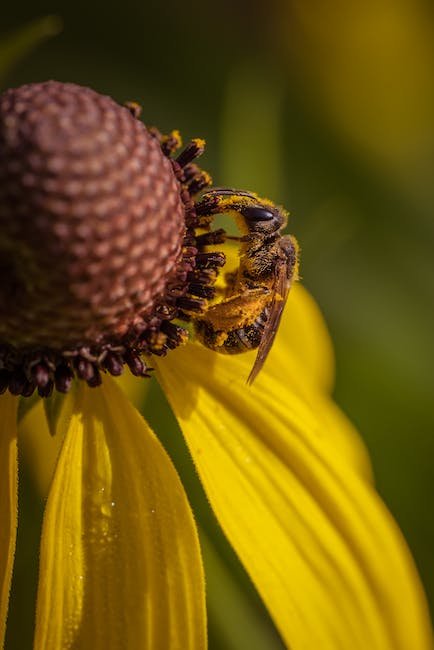
How to Understand Bee Yawning: Yes, They Do That!
The tiny buzzing creatures of nature, bees, have once again left us astounded with their intricate behaviors. Look a little closer, and you might catch a glimpse of a bee yawning! Join us on this mind-boggling journey of unraveling the secrets behind this fascinating phenomenon.
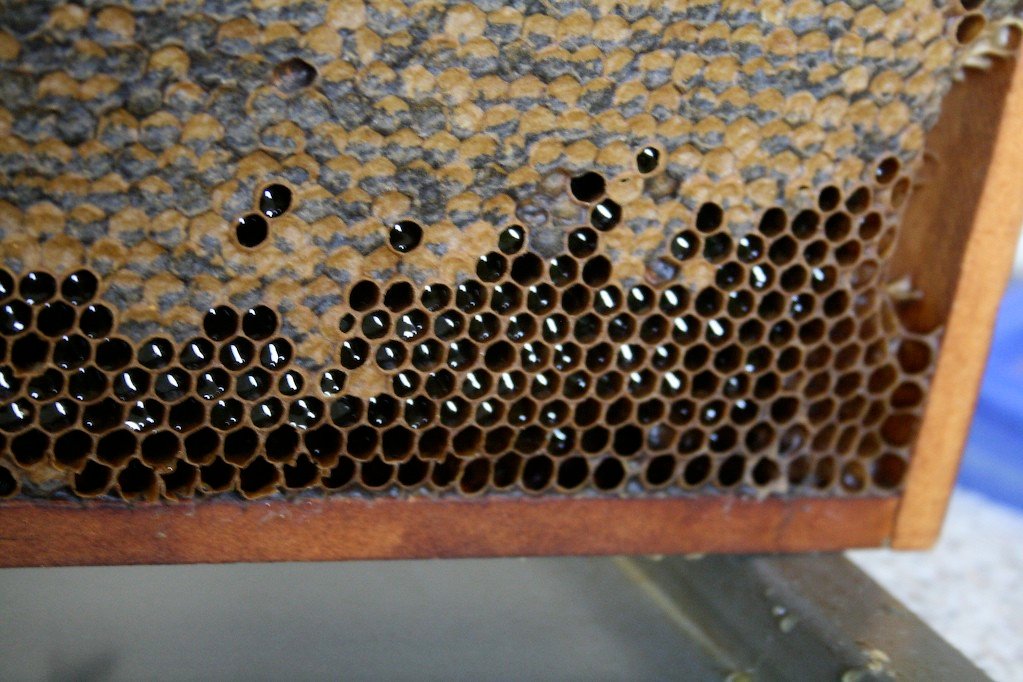
How to Manage Hive Robbing: Prevention and Solutions
As the sun shines upon your flourishing beehives, the threat of hive robbing looms in the air. Fear not, for we have gathered the best prevention techniques and solutions to help you safeguard your precious honeycombs and ensure a thriving honeybee community.

How to Use Solar Power in Your Urban Hive
Harness the power of the sun in your urban hive! With solar panels installed on rooftops or balconies, you can generate clean energy to power your home, reducing your carbon footprint and saving money on electricity bills. Embrace sustainability and embrace the sun!

The Legal Aspects of Beekeeping in Religious Institutions
Beekeeping within religious institutions has stirred a buzzing debate where sacred devotion meets legal obligations. Navigating the intricate melee of zoning laws, religious freedom, and potential environmental impacts, this article explores the tangled honeycomb of legal aspects surrounding this unique intersection.

How to Understand Bee Morse Code: A Fun Guide
In the enchanting world of bees, understanding their secret language can be quite a buzz! Discover the intricate patterns of their Morse code, decode the buzzing messages, and embark on a delightful journey into the realm of these remarkable creatures.
How to Use Vertical Planting for Bee-Friendly Spaces
Vertical planting is not just a trend; it's a creative way to create bee-friendly spaces. By utilizing walls, fences, and trellises, you can maximize your garden's potential and provide a vertical oasis for our buzzing friends.
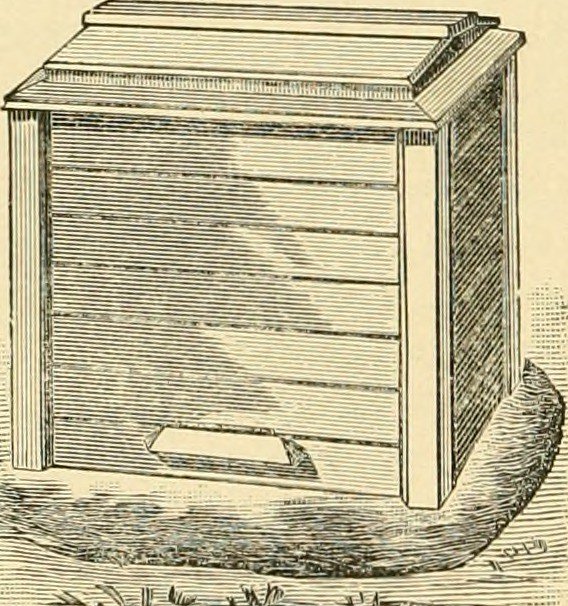
The Importance of Hive Ventilation: Tips and Tricks
In the fascinating world of beekeeping, proper hive ventilation is often an overlooked aspect. But why does it matter? Discover the hidden secrets of hive ventilation and unlock the key to healthier and more productive bee colonies with our expert tips and tricks.

How to Prepare Your Harvesting Area: Safety First
As you step into the vast wilderness, the air thick with the scent of nature's finest, it's crucial to prioritize safety in your harvesting area. Embrace caution like an old friend, paving your way with sturdy boots, protective gear, and a keen eye for potential hazards. Remember, a bountiful harvest begins with responsible preparation.
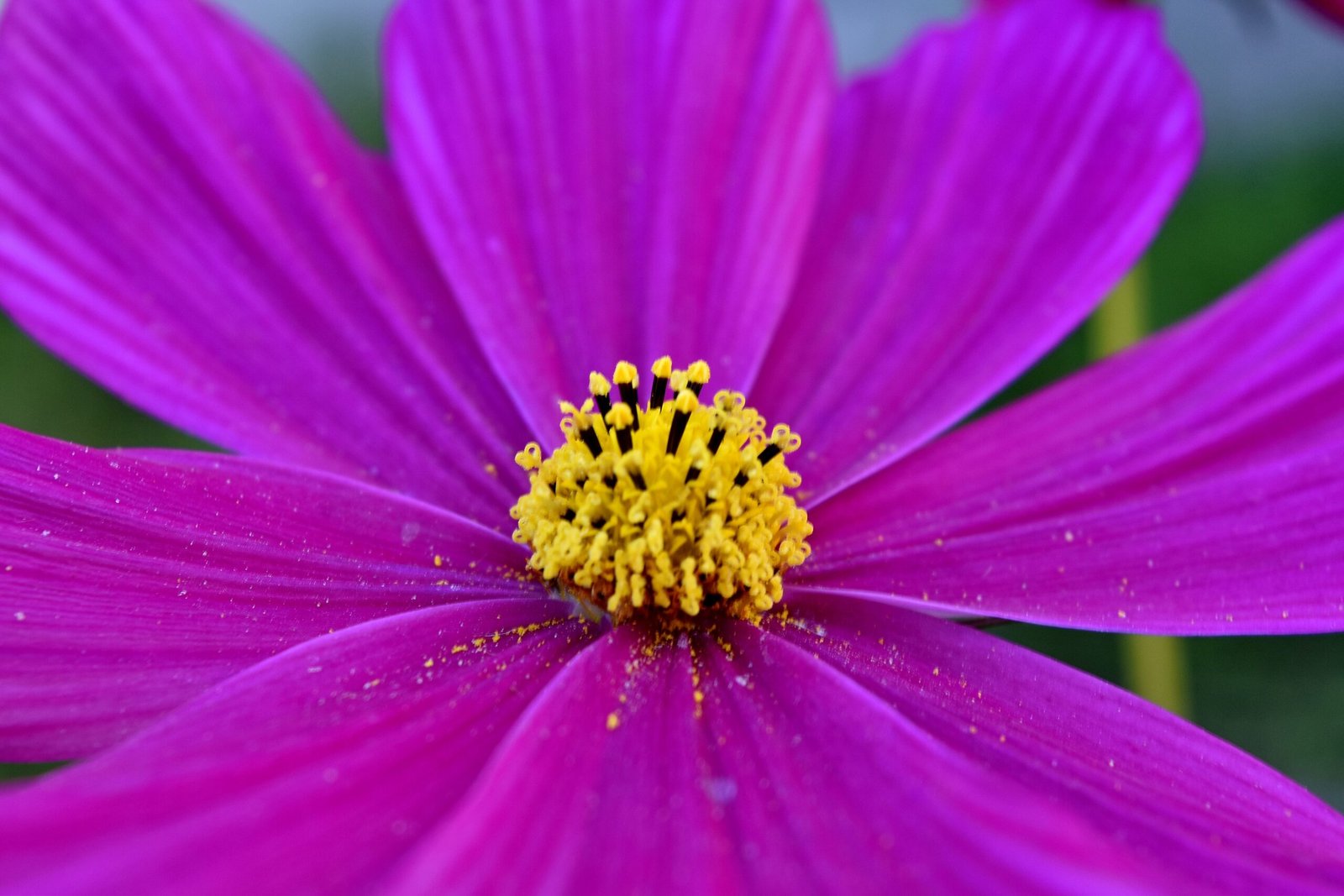
The Role of Nectar Quality in Bee Health
The quality of nectar plays a crucial role in the overall health and well-being of bees. As their primary source of nutrition, the richness and nutritional profile of nectar affect a bee's lifespan, immune system, and reproductive capabilities. Ensuring high-quality nectar is vital for supporting healthy bee populations and the essential pollination services they provide.
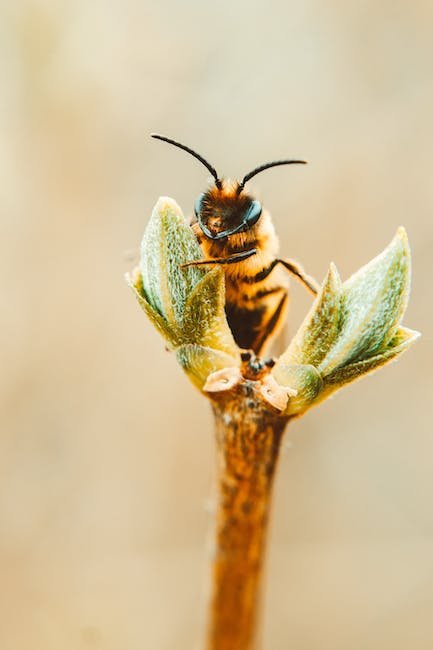
How Bees Use Leg Shaking to Attract Attention
The tiny, industrious creatures known as bees have a clever way of catching the attention of their fellow colony members: leg shaking. Through fast and rhythmic trembles, bees create vibrations that signal the presence of rich nectar sources or potential threats, enabling efficient communication and swift collective action.
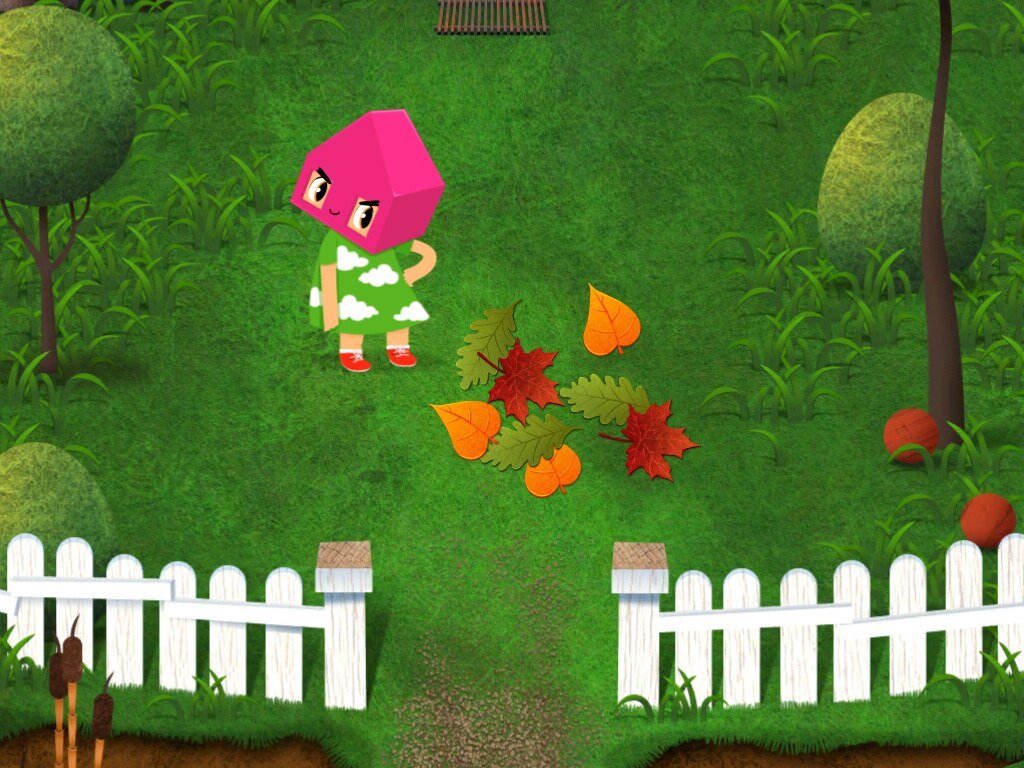
How to Use Garden Apps for Bee-Friendly Planting
Transform your smartphone into a buzzing tool for pollinator-friendly gardening with these garden apps. From identifying bee-friendly plants to tracking your garden's progress, these apps will guide you through the enchanted journey of creating a haven for our buzzing friends.