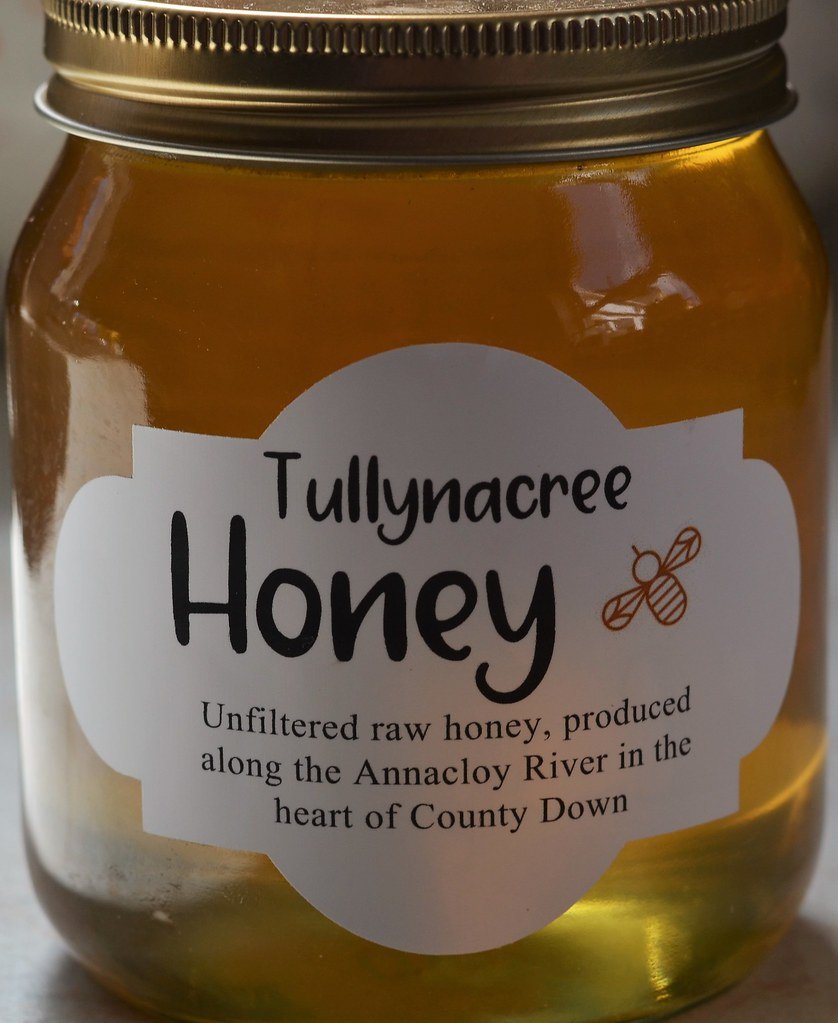
Understanding the Legalities of Selling Your Honey
The sweet rewards of selling your own honey can be dampened by legal roadblocks. From obtaining the necessary permits to understanding labeling requirements, dive into the fascinating world of honey commerce and ensure your buzzing business is compliant with the law.

How to Manage Aggressive Bees in Your Urban Hive
As the buzz of urban beekeeping grows louder, so does the need for strategies to handle aggressive bees in a peaceful manner. From understanding their behavior to implementing protective measures, this article will guide urban beekeepers on how to manage their buzzing companions with finesse and respect.
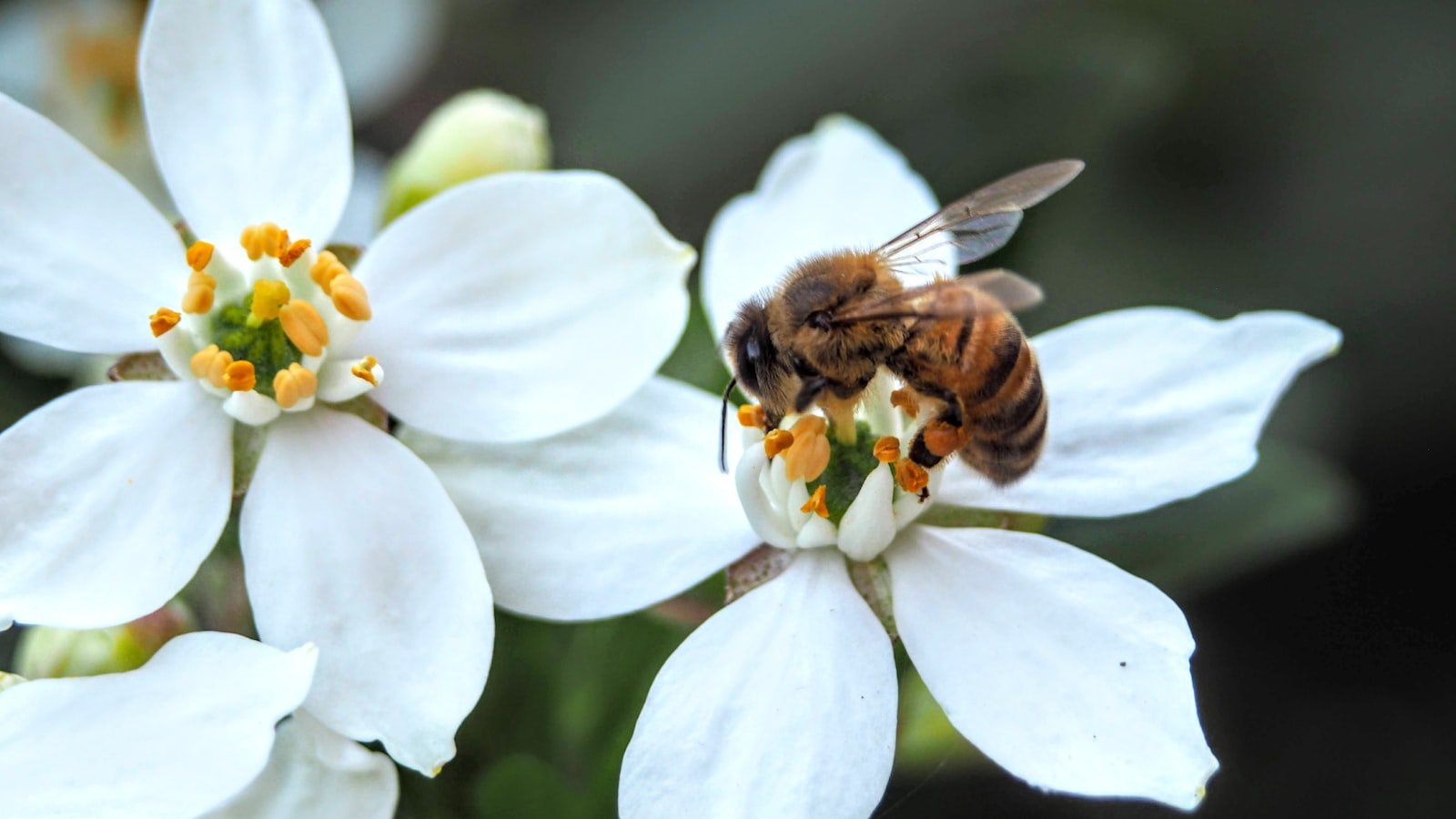
How Bees Use Sun Angles for Navigation
As the morning sun rises above the horizon, its warm rays gently caress the wings of a honeybee preparing for its daily foraging trip. Through a celestial dance, bees rely on the ever-changing angles of sunlight to navigate their surroundings with unparalleled precision, ensuring the survival of their hive.

How to Handle Fungal Infections in Your Hive
As a beekeeper, discovering fungal infections in your hive can be disheartening. However, with the right steps and precautions, you can effectively handle these infections and protect the health of your beloved bees. Here are some insights on how to tackle fungal infections in your hive and minimize their impact on your buzzing companions.
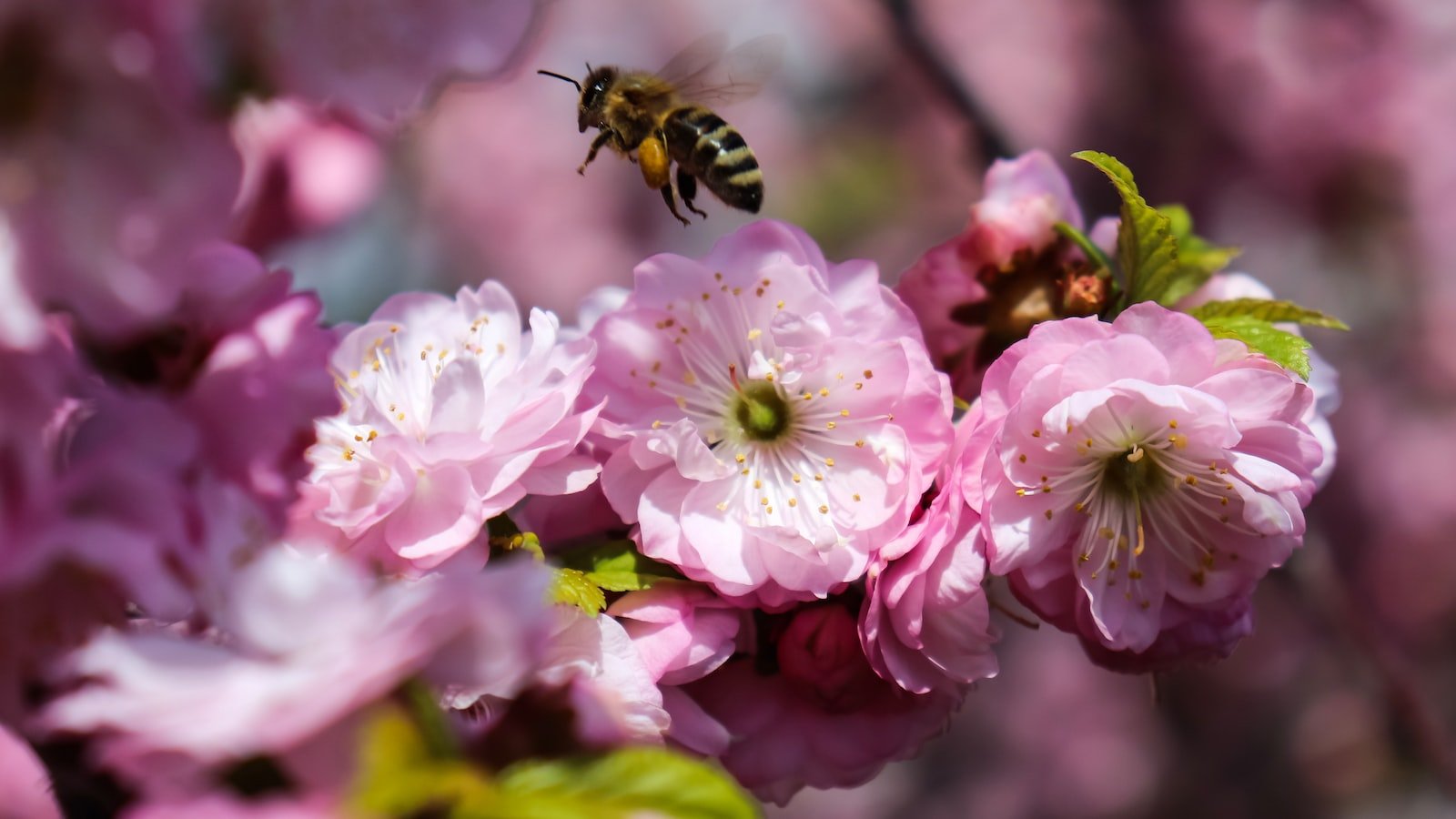
How Bees Use Wing Vibrations to Communicate
In the magical realm of bees, wing vibrations serve as their subtle language, orchestrating their intricate dances and harmonizing their movements. These delicate vibrations carry vital messages, conveying information about food sources, danger, and even the location of their beloved hive. So next time you see a bee gently vibrating its wings, remember it's not just a fascinating spectacle—it's an awe-inspiring communication tool.

How to Create a Pollinator-Friendly Urban Garden
Transforming your urban garden into a buzzing paradise for pollinators is easier than you think - fill it with a diverse array of native plants, provide shelter and nesting spots, say no to pesticides, and watch as bees, butterflies, and hummingbirds dance among your vibrant blooms, creating a sustainable haven in the heart of the city.

How to Handle Hive Rust: Prevention and Repair
As the sun sets on the tranquil beekeeping community, the dreaded hive rust begins to corrode the foundations of their industrious hives. Discover the secrets of preventing and repairing this silent enemy, ensuring the survival and prosperity of your buzzing friends in this guide.
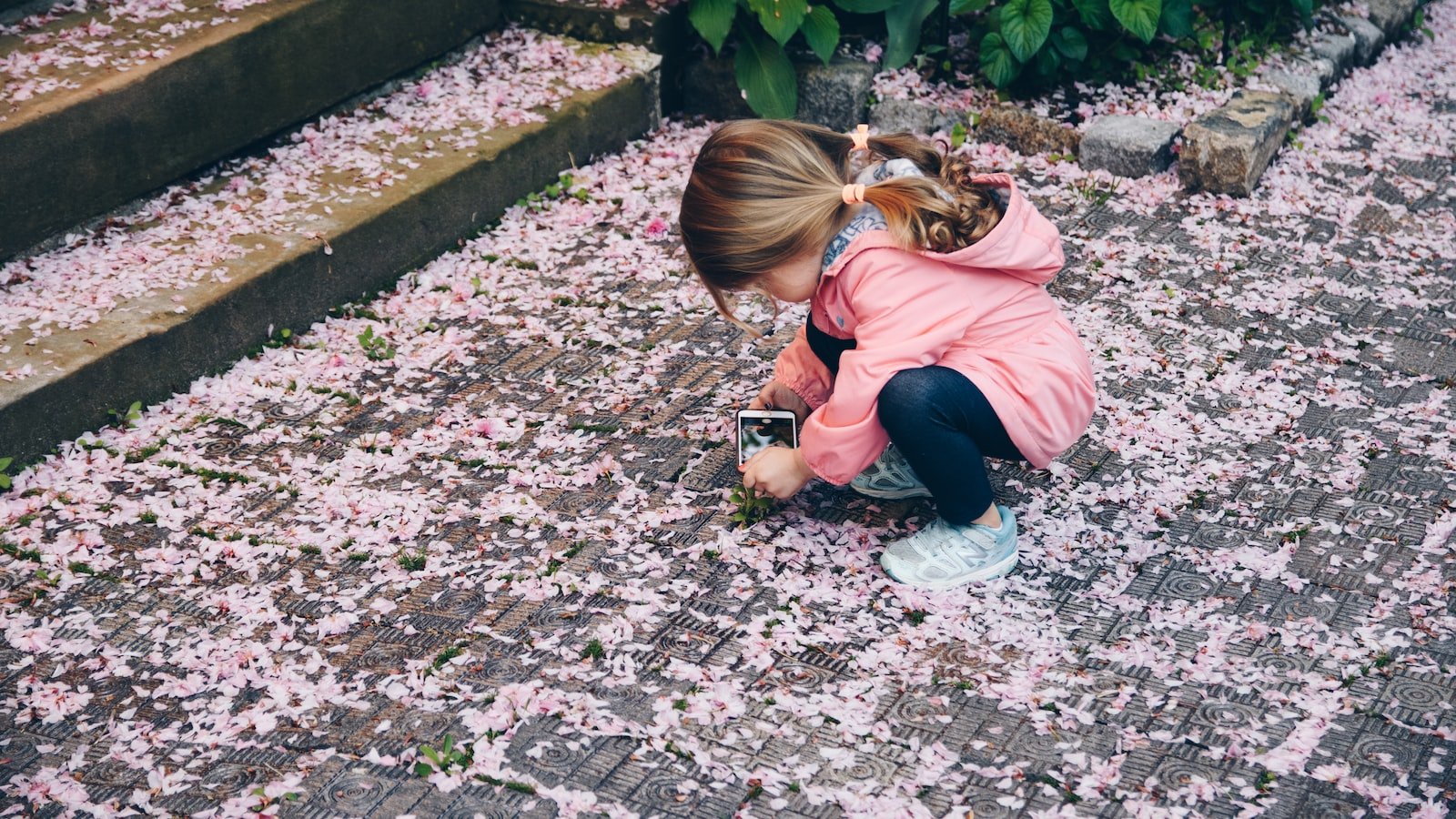
The Role of Ground Cover Plants in Bee Foraging
Ground cover plants play a crucial role in bee foraging, providing a diverse and abundant source of food for these buzzing pollinators. Through their beautiful blooms and nectar-rich flowers, these plants not only enhance the aesthetic appeal of the landscape but also contribute to the sustainability of our ecosystems by supporting bee populations and ensuring a thriving environment for all.
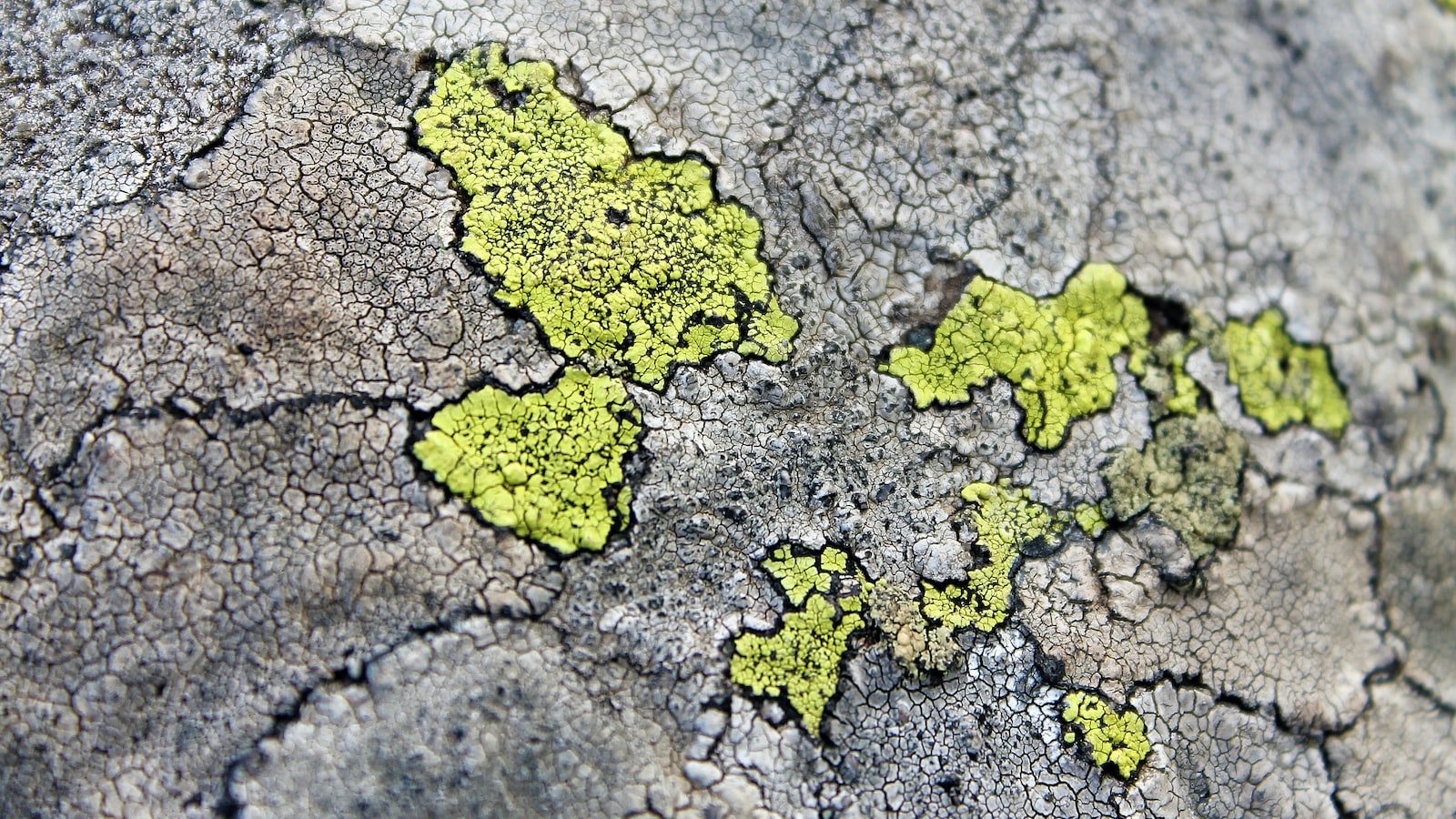
The Role of Moss in a Bee-Friendly Landscape
Moss, often brushed aside as a mere groundcover, plays a crucial role in fostering a bee-friendly landscape. Its soft and cushiony texture provides an ideal refuge for solitary bees, providing a safe space where they can build their nests and raise their young undisturbed.
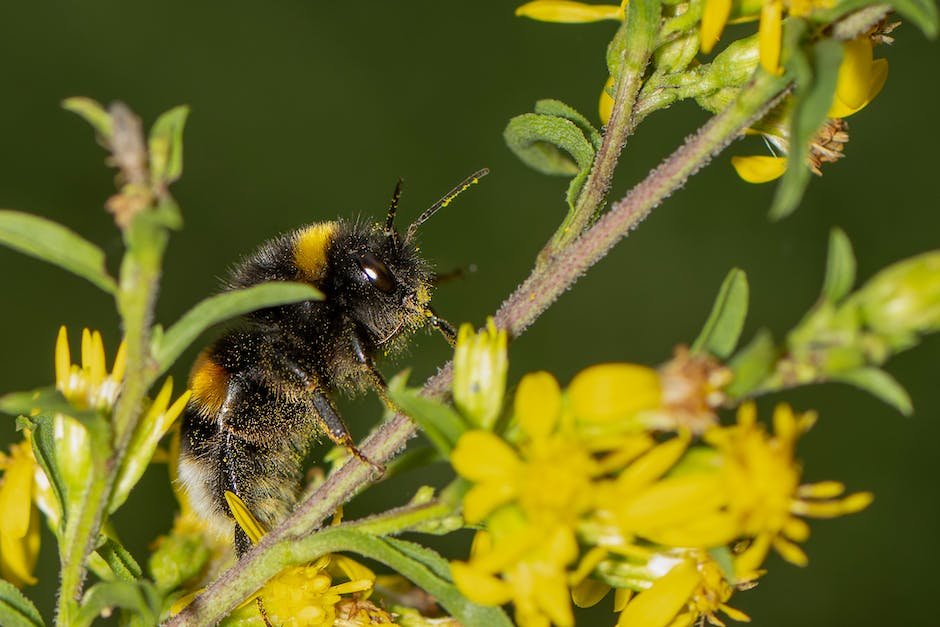
How to Make Your Own Bee Feeders and Waterers
As you embark on your journey in beekeeping, creating your own custom bee feeders and waterers offers a chance to unleash your creativity while safeguarding your buzzing companions' well-being. With a few simple materials and a splash of resourcefulness, you'll be providing a haven for your bees to thrive and flourish in harmony with nature.
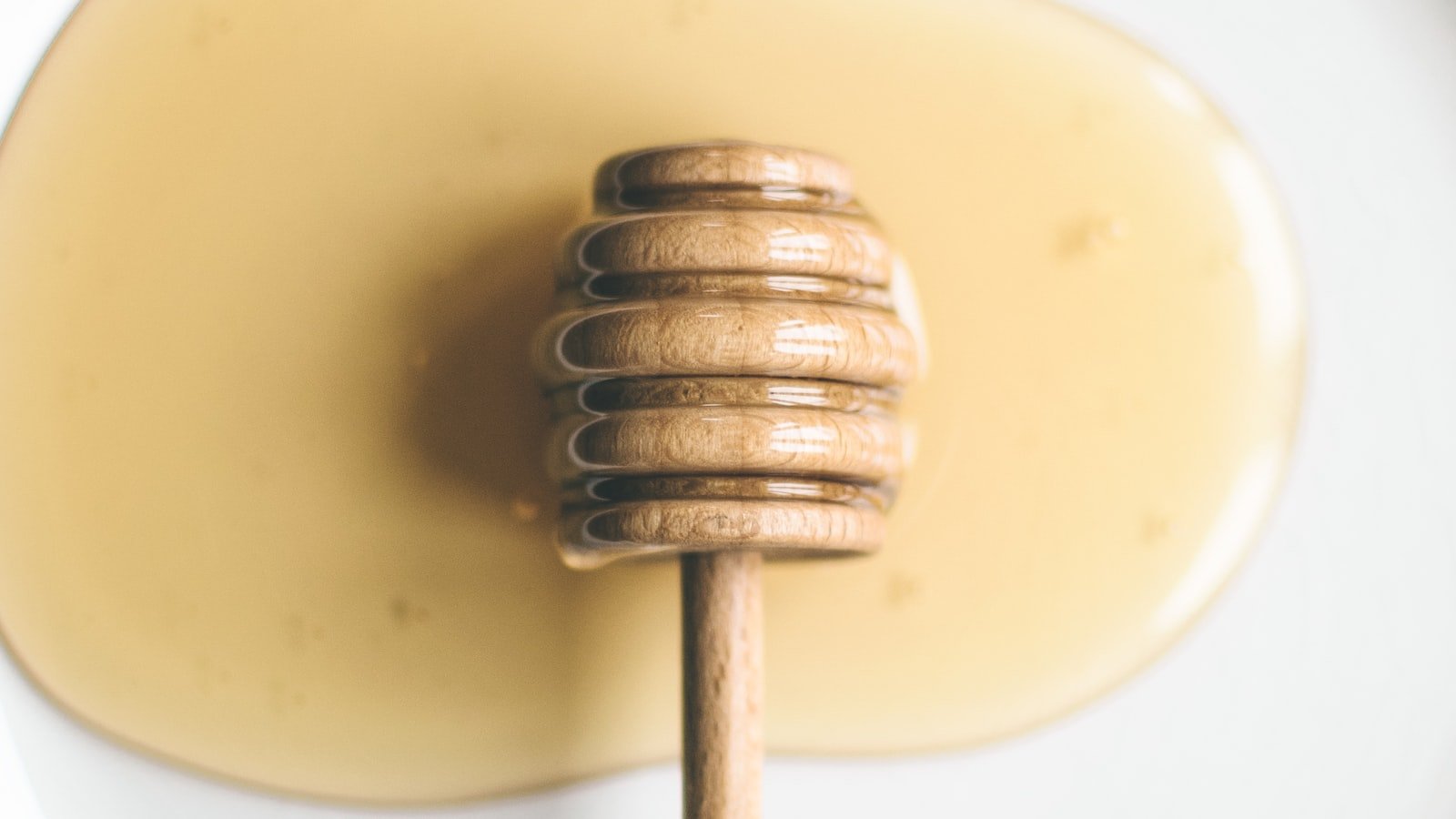
How to Harvest Honey from a Mini Hive
As the sun dapples through the trees, an enchanting process awaits beekeepers with mini hives. Tapping into this golden alchemy, this article reveals the secret steps to harvesting honey from these petite wonders, ensuring a sweet reward for both humans and the tiny winged artisans.

The Impact of Weather on Your Urban Hive
Rain or shine, the weather has a substantial influence on urban beekeeping. From blossoming flowers under the warm sun to limited foraging flights during rainy days, understanding the impact of weather conditions on hives is crucial for successful urban beekeepers.