
How to Use Bee Mindfulness Techniques for Better Health
Incorporating bee mindfulness techniques into your daily routine can lead to improved health and overall well-being. By observing bees and their rhythmic buzzing, you can learn to cultivate a sense of calm and connection with nature, enhancing your mental and physical health.
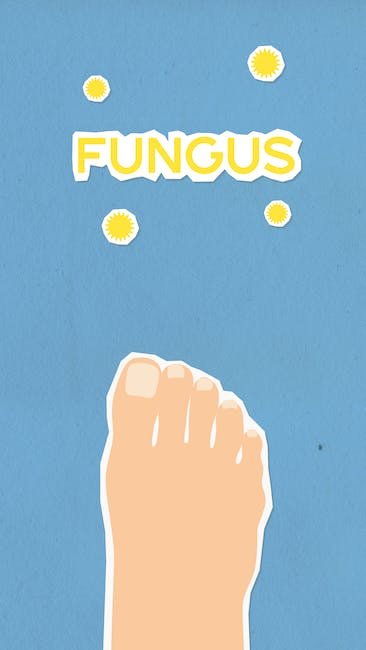
How to Handle Fungal Infections in Your Hive
As a beekeeper, discovering fungal infections in your hive can be disheartening. However, with the right steps and precautions, you can effectively handle these infections and protect the health of your beloved bees. Here are some insights on how to tackle fungal infections in your hive and minimize their impact on your buzzing companions.

The Role of Ground Cover Plants in Bee Foraging
Ground cover plants play a crucial role in bee foraging, providing a diverse and abundant source of food for these buzzing pollinators. Through their beautiful blooms and nectar-rich flowers, these plants not only enhance the aesthetic appeal of the landscape but also contribute to the sustainability of our ecosystems by supporting bee populations and ensuring a thriving environment for all.

How to Choose the Best Bee Boots: A Review
Choosing the right bee boots can be a daunting task for beekeepers, but fear not! Our review will walk you through the maze of options and help you find the perfect pair that combines durability, comfort, and protection, ensuring you can confidently tend to your buzzing companions.
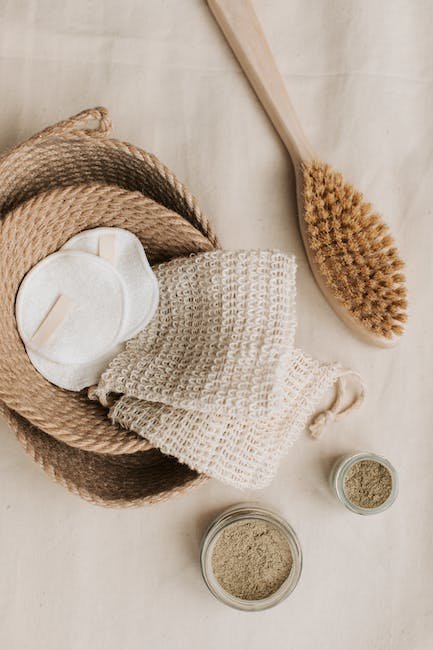
How to Use Beeswax for Sustainable Living
Beeswax, nature's gift, holds immense potential for sustainable living. From making eco-friendly food wraps to crafting all-natural cosmetics, the versatility of this golden substance allows us to tread lightly on our planet while embracing the magic of the bees.

The Importance of Organic Practices in Urban Beekeeping
Urban beekeeping is not just about saving the bees, but also about promoting sustainable and organic practices in our concrete jungles. By ensuring that our city-dwelling honey producers thrive naturally, we are not only supporting local ecosystems but also reaping the sweet rewards of pesticide-free, pure honey.
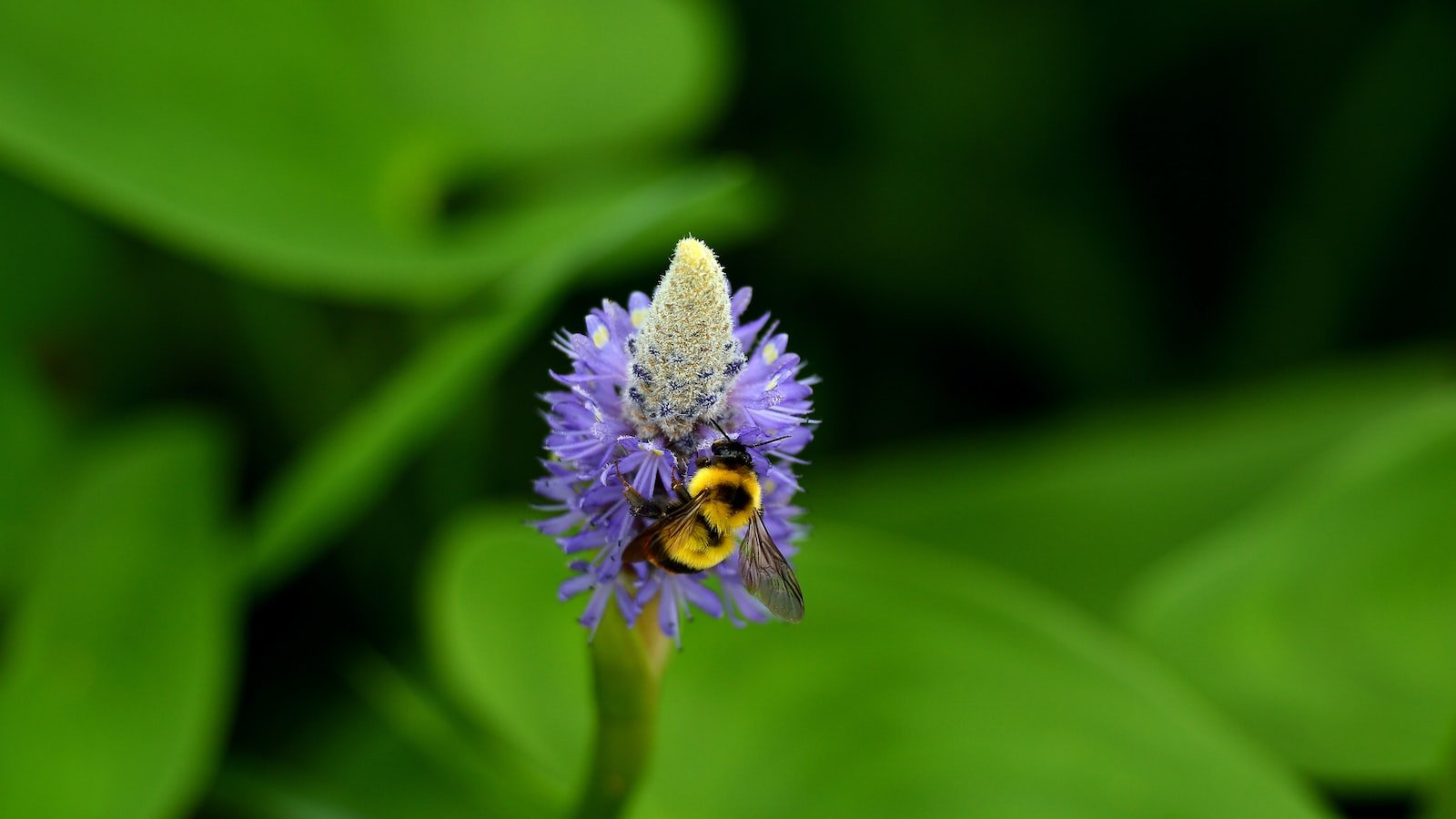
The Importance of Garden Accessibility in Bee-Safe Planting
With the decline in global bee populations, creating accessible gardens for bees is crucial. By planting diverse, bee-friendly flowers and ensuring easily navigable paths within our gardens, we can contribute to the preservation and protection of these vital pollinators.
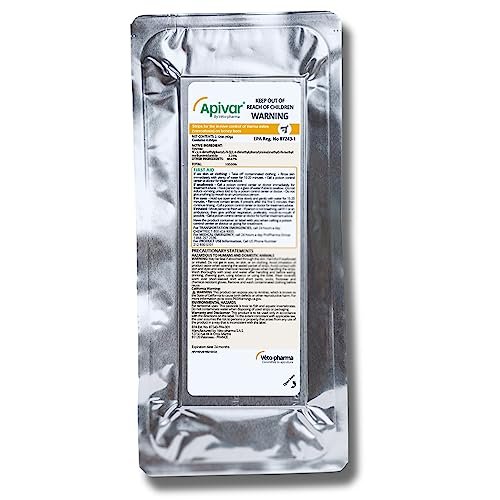
Buzzing With Success: Our Review of Apivar Varroa Mite Treatment for Honey Bees
Buzzing With Success: Our Review of Apivar Varroa Mite Treatment for Honey Bees We were absolutely thrilled when we stumbled upon the Apivar Varroa Mite Treatment with Easy Rip Strips. As avid beekeepers, tackling the persistent issue of Varroa mites has always been a daunting task. However, these easy-to-use strips have revolutionized our mite management strategy, and we couldn't be happier with the results. From the moment we applied the strips to our honey bee hives, we noticed a significant decrease in mite infestation. The convenient Easy Rip design made application a breeze, allowing us to swiftly and precisely apply the treatment without any hassle. Plus, the fact that it comes in a 4-pack ensures we have enough strips to treat all our hives without any worry. What truly sets Apivar apart is its effectiveness. The treatment effectively targets Varroa mites while minimizing harm to our precious honey bees. We have witnessed stronger and healthier colonies since incorporating Apivar into our routine. It's like a protective shield for our buzzing friends. If you're in search of a game-changing solution for managing Varroa mites, we wholeheartedly recommend the Apivar Varroa Mite Treatment with Easy Rip Strips. Don't let these pests jeopardize your honey bee colony – buzz with success and give Apivar a try!
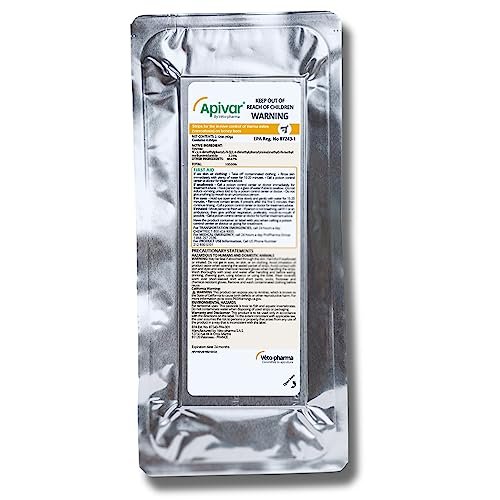
Buzz Worthy Mite Control: Our Review of Apivar Varroa Mite Treatment
Buzz Worthy Mite Control: Our Review of Apivar Varroa Mite Treatment When it comes to managing mites on our beloved honey bees, Apivar Varroa Mite Treatment truly exceeded our expectations. With its innovative Easy Rip Strips, this 4-pack provides a reliable and convenient solution for beekeepers. First and foremost, the efficacy of this treatment is what caught our attention. The Apivar strips effectively target and eliminate pesky varroa mites, ensuring the well-being of our bee colonies. We were thrilled to witness a visible reduction in mite infestation within just a few weeks. Furthermore, the user-friendly design of the Easy Rip Strips makes application a breeze. Simply tear off and place the appropriate number of strips inside the hive, and let Apivar work its magic. No need for messy mixing or complicated instructions. Overall, Apivar Varroa Mite Treatment with Easy Rip Strips is a game-changer in beekeeping. From its exceptional results to the hassle-free application, this product has earned our seal of approval. Keep your bees happy, healthy, and mite-free with Apivar!
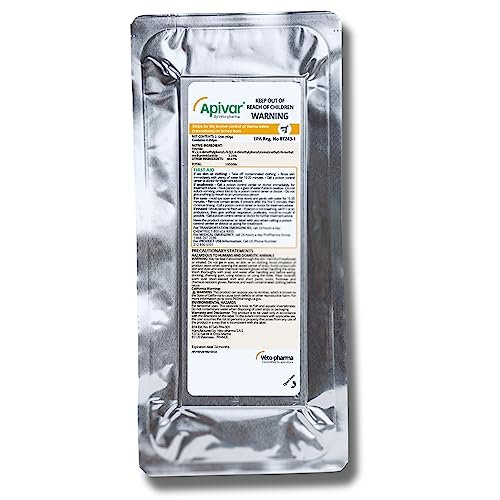
Beekeeper’s Best Friend: Apivar Varroa Mite Treatment – Effective, Easy, and Popular!
Beekeepers, listen up! We've stumbled upon a game-changer in the world of beekeeping – the Apivar Varroa Mite Treatment with Easy Rip Strips. Let us tell you, this product is a beekeeper's best friend. Firstly, let's talk about effectiveness. The Apivar treatment is a godsend when it comes to managing those pesky Varroa mites on our beloved honey bees. With just a simple strip placed in the hive, it works tirelessly to rid our colonies of these destructive pests. We've seen firsthand the decline in mite populations, leading to healthier, more thriving bee colonies. But what truly sets this product apart is its user-friendly design. The easy rip strips make application a breeze, saving us time and hassle. No need for any special tools, just tear and place – it's that simple! Lastly, it's worth mentioning the popularity of Apivar among beekeepers worldwide. This treatment has gained a reputation for its reliable results, making it a go-to choice for many experienced beekeepers in the industry. So, if you're looking for an effective, easy-to-use, and popular solution to manage mites on your honey bees, trust us when we say Apivar Varroa Mite Treatment is the way to go. Give it a try, and your bees will thank you!